10 Employee data protection rules every employer should follow
Learn 10 essential employee data protection rules every employer should follow to protect personal information and maintain compliance with privacy regulations.

Employee data is among the most sensitive information an organisation holds. Personal details, identification documents, contracts, disciplinary records, and payroll information all form part of an employee's record.
Because of this, employers have a responsibility to handle employee data carefully and ensure it is protected from misuse, unauthorised access, or loss.
Data protection regulations such as GDPR in the UK and EU place clear obligations on organisations regarding how personal data is collected, stored, and used.
Following strong data protection practices helps businesses maintain trust with employees while reducing compliance risks.
Below are ten important employee data protection rules every employer should follow.
1. Collect only necessary data
Employers should collect only the information required to manage the employment relationship.
Collecting excessive personal data increases the risk of misuse and creates unnecessary compliance responsibilities.
2. Inform employees how their data is used
Employees should understand what personal data is collected, why it is collected, and how it will be used.
Clear privacy notices help organisations communicate these practices transparently.
3. Store employee data securely
Employee records must be stored securely to prevent unauthorised access.
This includes secure systems, controlled access permissions, and appropriate technical safeguards.
4. Limit access to authorised personnel
Not every employee within an organisation should have access to HR records.
Employers should ensure sensitive information is only accessible to individuals who require it for legitimate business purposes.
5. Keep employee data accurate and up to date
Maintaining accurate employee information is important for both operational and compliance purposes.
Employers should update records whenever employment terms, personal details, or job roles change.
6. Define clear data retention policies
Employee data should not be stored indefinitely. Organisations should define how long records are retained and when they should be securely deleted.
Retention policies help ensure compliance with privacy regulations.
7. Protect sensitive HR documents
Documents such as contracts, identification records, disciplinary documentation, and payroll information require additional protection.
Employers should ensure these records are stored within secure systems that support controlled access.
8. Train staff on data protection responsibilities
Employees who handle HR data should understand their responsibilities regarding privacy and data protection.
Providing training helps reduce the risk of accidental data breaches.
9. Maintain records of data access
Tracking who accesses employee data helps organisations monitor how information is used.
Audit trails also help demonstrate that appropriate safeguards are in place.
10. Use secure HR systems
Manual systems such as spreadsheets and email attachments can increase the risk of data exposure.
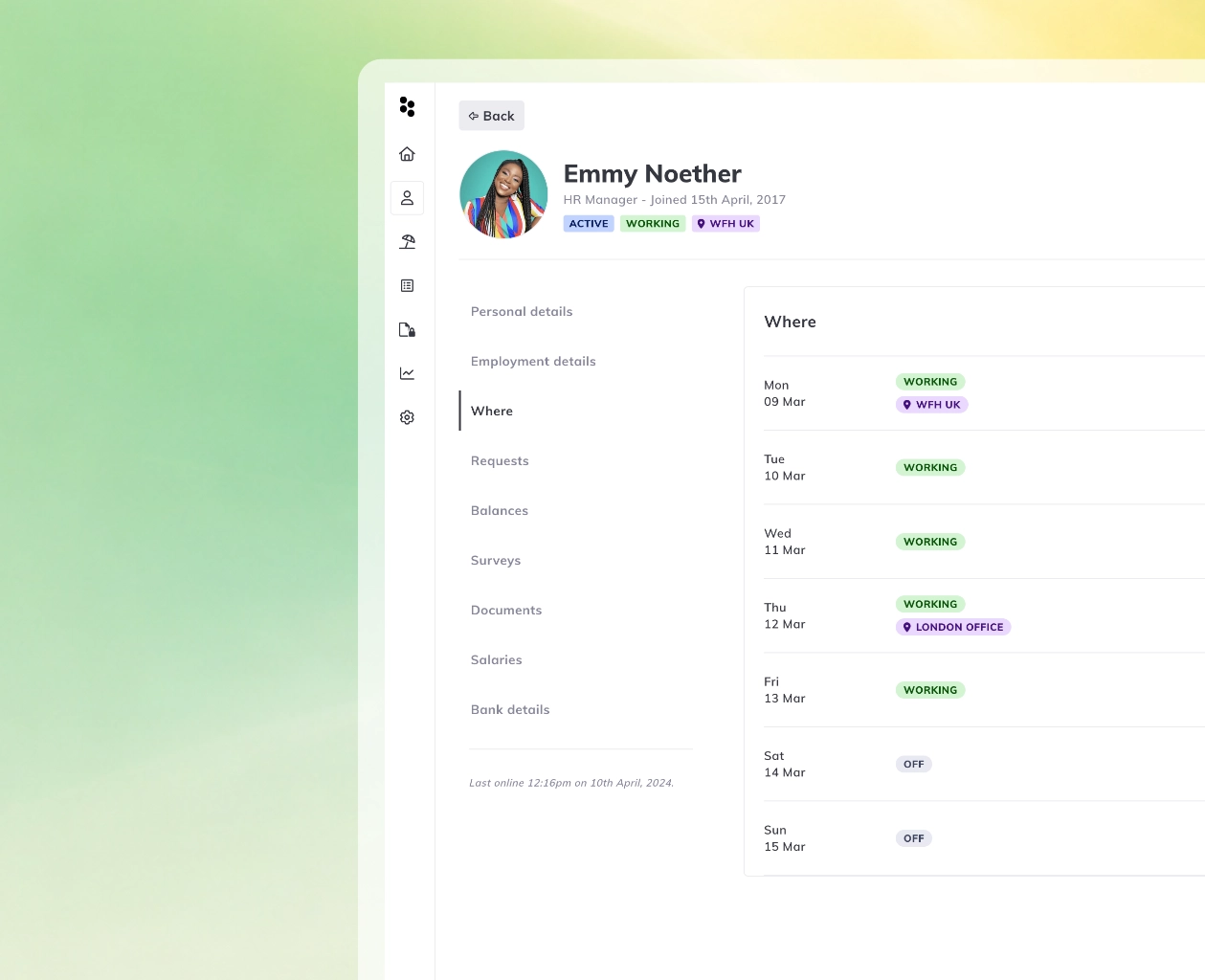
Using structured HR platforms such as PandaHR helps organisations store employee records securely, control access permissions, and maintain clear documentation of HR activity.
Protecting employee data as organisations grow
As businesses expand, the volume of employee data they manage increases significantly.
By following strong data protection practices and using secure HR systems, organisations can protect sensitive employee information while maintaining compliance with privacy regulations.
Establishing clear data protection rules helps create a safer and more transparent workplace environment for both employers and employees.
Frequently asked questions
Why is employee data protection important?
Employee data protection helps ensure personal information is handled responsibly and reduces the risk of privacy breaches or regulatory penalties.
What types of employee data must employers protect?
Employers must protect personal information such as contact details, identification documents, contracts, payroll records, and disciplinary documentation.
What laws regulate employee data protection?
In the UK and EU, employee data protection is governed primarily by GDPR and related data protection regulations.
How can employers protect employee records?
Employers should store data securely, limit access to authorised personnel, maintain audit trails, and implement clear data retention policies.
How can HR software improve data protection?
HR software helps centralise employee records, control access permissions, and maintain secure storage and audit logs for sensitive HR data.
Partner HR software
Build a stronger HR software offer around your brand
Try Vesra or talk to us about white label, private label, reseller, franchise, and private-tenant routes for partner-led HR delivery.