How companies monitor HR compliance effectively
Learn how organisations monitor HR compliance effectively, from tracking employee records and policies to using structured systems that support employment law compliance.

HR compliance is not a one-time task. It requires ongoing monitoring to ensure employment laws, workplace policies, and internal procedures are consistently followed.
As organisations grow, managing compliance becomes more complex. Employee records increase, policies evolve, and workplace decisions involve multiple teams and managers.
Without clear systems in place, companies can lose visibility across these processes and unknowingly drift out of compliance.
Monitoring HR compliance effectively helps businesses identify risks early, maintain stronger governance, and demonstrate that employment practices follow legal requirements.
Why HR compliance monitoring matters
Employment laws regulate many aspects of workplace management, including contracts, working hours, discrimination protections, leave entitlement, and employee data protection.
If organisations cannot demonstrate that these rules are being followed consistently, they may face legal disputes, regulatory penalties, or reputational damage.
Monitoring compliance helps businesses ensure that HR processes remain aligned with these legal obligations.
Track employee records and employment changes
Accurate employee records are the foundation of HR compliance monitoring. Organisations should track key information such as employment contracts, job roles, working patterns, and leave balances.
Employers should also ensure employment changes such as promotions, salary adjustments, or working pattern changes are documented clearly.
Maintaining up-to-date records helps businesses demonstrate that employment practices are handled consistently.
Monitor workplace policies
Workplace policies help define expectations for behaviour, workplace conduct, disciplinary procedures, and employee rights.
Employers should ensure policies are reviewed regularly and distributed to employees when updates occur.
Tracking policy acknowledgements also helps demonstrate that employees were informed about workplace rules.
Review working hours and leave
Many employment regulations govern working hours, rest periods, and statutory leave entitlement.
Employers should monitor working patterns and leave balances to ensure employees receive their correct entitlements.
Regular review of these records helps prevent accidental violations of employment regulations.
Audit HR decisions
HR decisions such as disciplinary actions, grievances, and role changes should be documented clearly.
Conducting periodic internal reviews of HR decisions helps ensure that workplace procedures are being applied consistently across the organisation.
This documentation can also be important if disputes arise.
Protect employee data
Employee records contain sensitive personal information and must be handled responsibly.
Organisations should monitor who has access to employee data and ensure information is stored securely.
Strong data governance helps ensure compliance with data protection regulations.
Use structured systems to improve oversight
Manual systems such as spreadsheets and email threads can make it difficult to monitor compliance across a growing workforce.
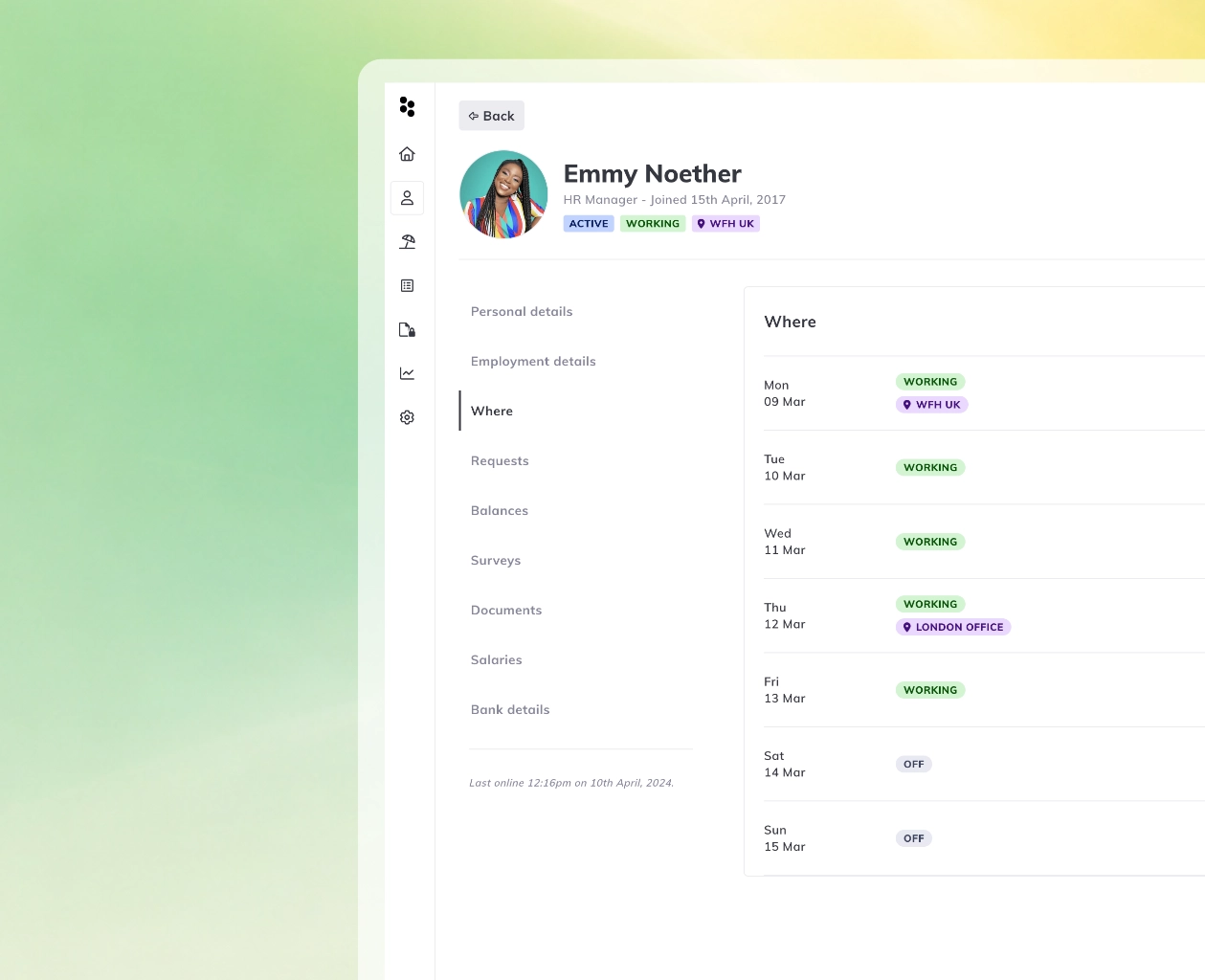
HR platforms such as PandaHR help organisations centralise employee records, manage workplace policies, track leave, and maintain audit trails of HR activity.
By bringing these processes together in one system, businesses gain better visibility across HR processes and can identify potential compliance risks earlier.
Building a proactive compliance culture
Effective HR compliance monitoring requires more than documentation. Organisations benefit from creating a culture where compliance is understood and supported across all levels of the business.
By combining structured systems, clear policies, and regular monitoring, employers can reduce compliance risks while maintaining a fair and transparent workplace.
Frequently asked questions
What is HR compliance monitoring?
HR compliance monitoring involves reviewing HR processes, employee records, and workplace policies to ensure they follow employment laws and organisational standards.
Why is monitoring HR compliance important?
Monitoring compliance helps organisations identify potential issues early and ensures that employment practices remain aligned with legal requirements.
What areas should companies monitor for HR compliance?
Companies should monitor employment contracts, working hours, leave entitlements, workplace policies, disciplinary processes, and employee data protection.
How often should HR compliance be reviewed?
Organisations should review compliance regularly, particularly when employment laws change or when internal processes evolve.
How can HR software help monitor compliance?
HR software centralises employee records, manages policies, tracks leave and working patterns, and provides audit trails that help organisations monitor compliance effectively.
Partner HR software
Build a stronger HR software offer around your brand
Try Vesra or talk to us about white label, private label, reseller, franchise, and private-tenant routes for partner-led HR delivery.